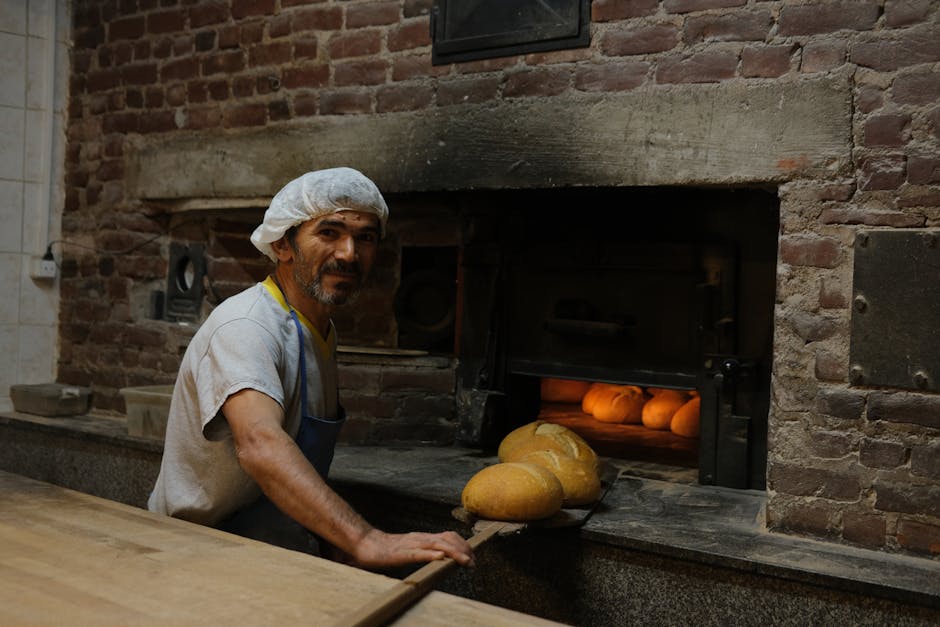
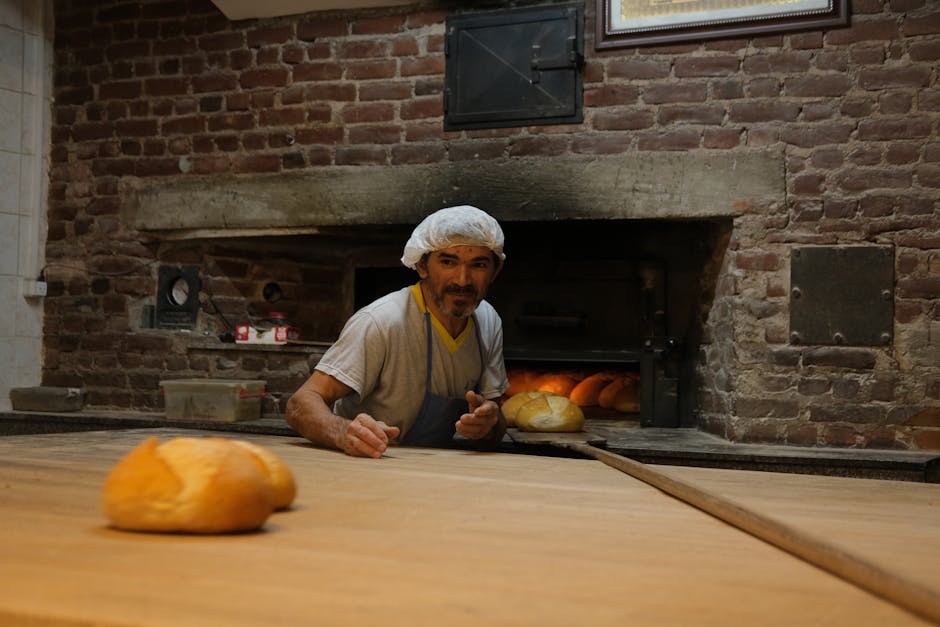
At Capitol Crust, our work is guided by a set of established principles. These principles inform our selection of ingredients, the methods we employ for fermentation, and the techniques used in shaping and baking. This page provides an overview of the considerations and frameworks that shape our daily operations.
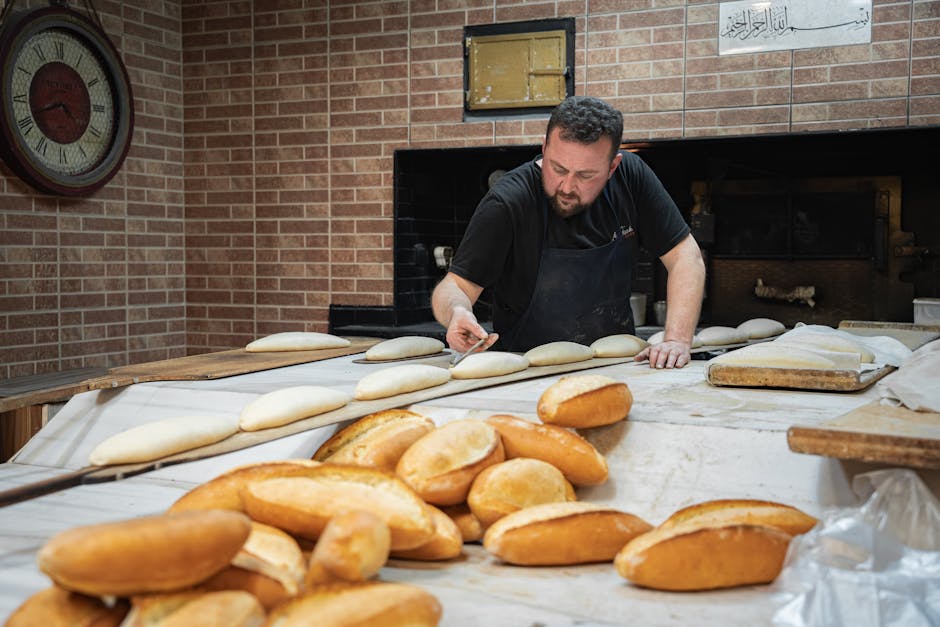
The approach at Capitol Crust is built on a structured methodology. We begin with the selection of grains, where specific criteria regarding origin and milling are applied. The fermentation process follows a timed framework, allowing for natural development. Shaping involves a series of manual techniques passed down through baking traditions. The baking phase itself is conducted within a controlled environment, where temperature and steam levels are managed according to set parameters. This sequence of steps represents a commitment to a process-oriented model, where each stage is given careful attention. The outcome of any baking endeavor is understood to be dependent on numerous variables, including ingredient quality and environmental conditions.
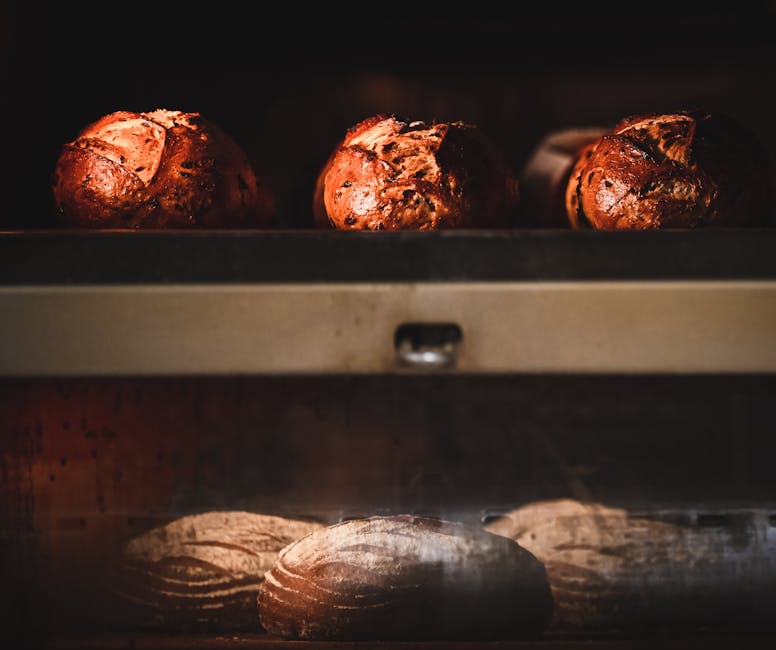
A core tenet of the Capitol Crust methodology involves the sourcing of materials. We maintain relationships with regional producers who utilize certain agricultural practices. Our flour is selected based on its milling process and protein content, which can influence dough behavior. Other components, such as natural levains, are cultivated in-house and maintained as part of our operational routine. This focus on ingredients is part of a broader informational framework about how inputs can contribute to the characteristics of baked goods, though final results may vary.
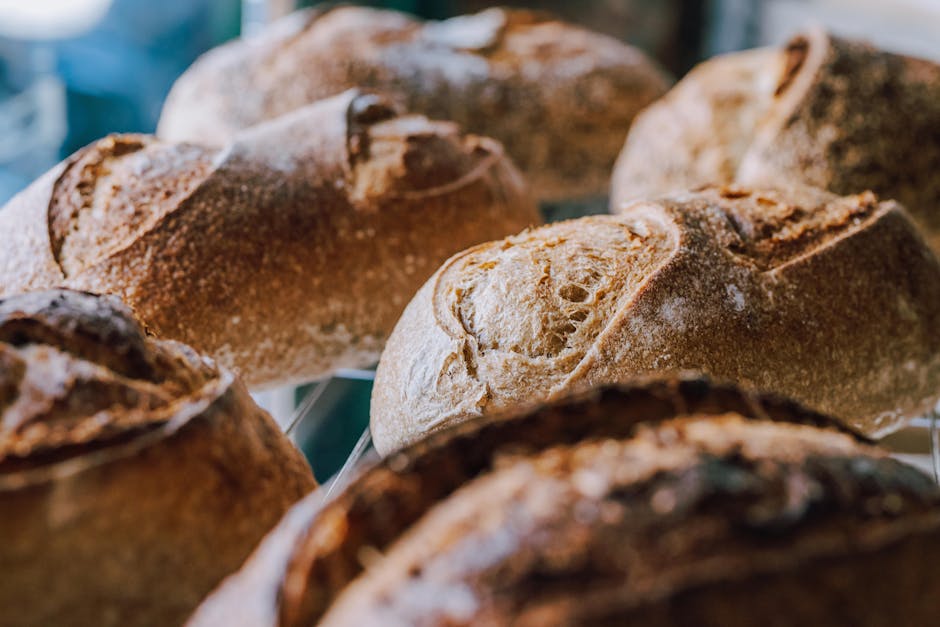
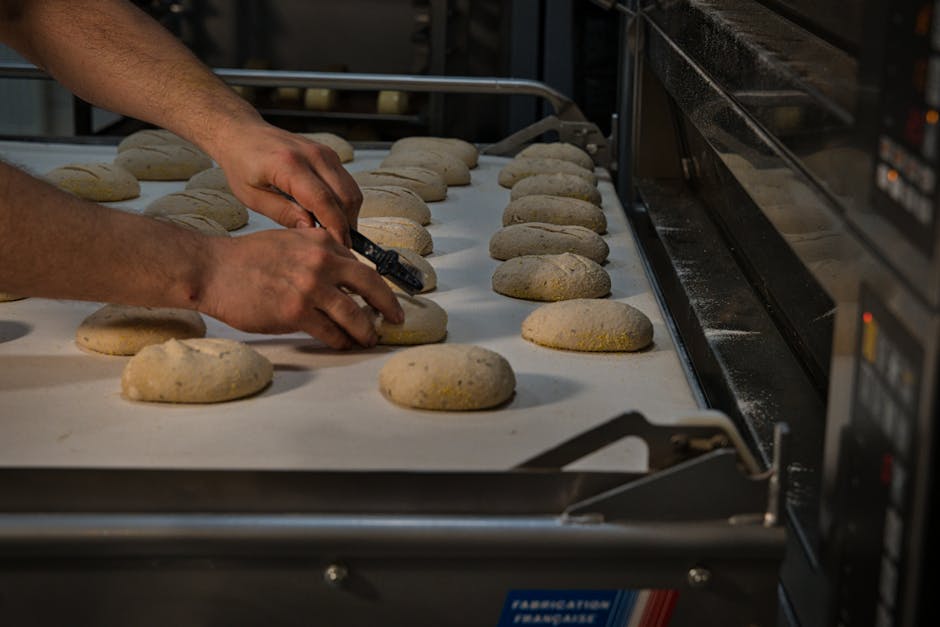
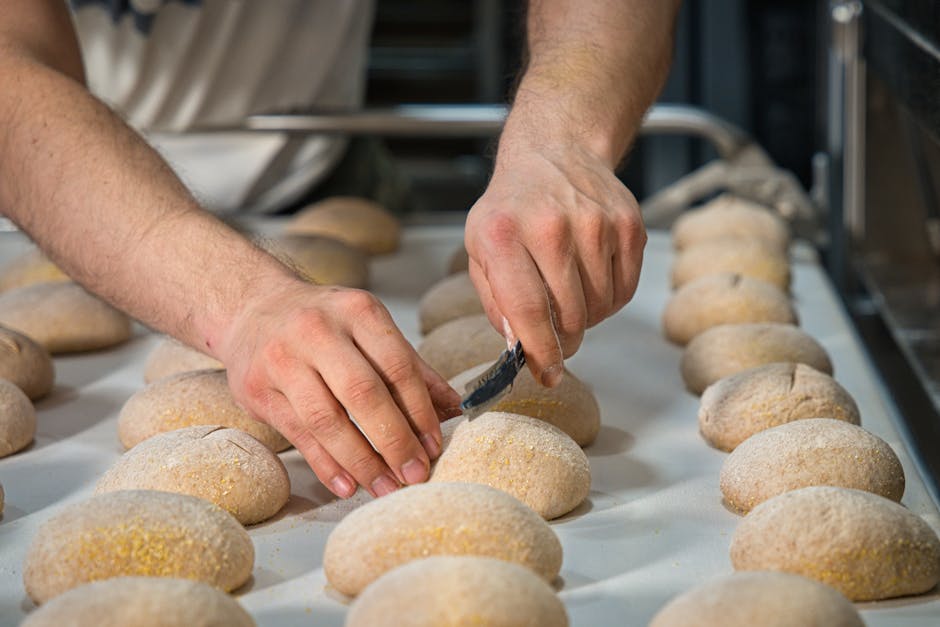
Another principle central to our operations is the management of time. Extended fermentation periods are often incorporated into our schedule, which is a method noted in artisan baking literature for its potential effects on flavor complexity. The manual techniques used for scoring loaves are not merely decorative; they are considered a functional part of the baking process, influencing how the bread expands. These techniques are presented as part of a skilled trade's methodology, with the understanding that their application requires practice and adaptation to specific contexts.
The principles that guide Capitol Crust are not static. They exist within a framework of continuous observation and adjustment. Bakers monitor each batch, noting variables and outcomes. This informational feedback loop is a standard part of our process-oriented approach. It allows for methodological refinement over time, based on accumulated operational data. We present this as a transparent look at how a baking establishment might structure its practice, emphasizing the procedural and conditional nature of the craft.
320 7th St SE, Washington, DC